A house can look spotless at a showing and still have hidden termite activity, old insect damage, or moisture conditions that invite it. A WDO inspection report Wichita buyers and sellers can rely on gives everyone a clear, documented view of those risks before money changes hands.
For a real estate transaction, this is not just another box to check. It can affect lender requirements, repair negotiations, closing timelines, and your confidence in the property. The good news is that a professional inspection turns vague concerns into specific findings and practical next steps.
What Is a WDO Inspection Report?
WDO stands for wood-destroying organisms. In Wichita homes, the concern most people recognize is termites, but an inspection may also identify evidence of other wood-damaging insects, such as carpenter ants or wood-boring beetles. The report records visible evidence of active infestation, prior damage, past treatment, or conditions that could support future pest activity.
A WDO report is different from a standard home inspection. A home inspector evaluates many systems throughout the property, including the roof, electrical components, plumbing, and HVAC equipment. A licensed pest professional focuses on accessible areas where wood-destroying insects may be present or where conditions make an infestation more likely.
That distinction matters. A property may pass a general home inspection while still having a termite concern in a crawl space, attached garage, unfinished basement, or structural area that deserves attention.
Why Wichita Real Estate Deals Need Careful Inspection
Kansas weather creates conditions pests can use. Spring rain, humid stretches, aging wood, foundation cracks, landscape mulch, and poor drainage can all contribute to moisture around a home. Termites do not need a visibly neglected house to become a problem. They need access, moisture, and a food source.
Many Wichita-area homes also have features that deserve close attention, including slab foundations, basements, crawl spaces, decks, wood fencing connected to the structure, and additions built at different times. None of these automatically mean termites are present. They do mean a thorough inspection should not be rushed.
For buyers, the report helps prevent a surprise shortly after moving in. For sellers, scheduling an inspection before listing can be a smart way to identify issues early, handle needed work on your schedule, and avoid last-minute negotiation pressure. For agents and property managers, it creates clearer documentation for a transaction that already has plenty of moving parts.
What the Inspector Looks For
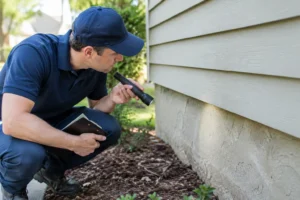
A professional WDO inspection is a visual inspection of accessible areas. The technician checks for evidence rather than making assumptions based on age, neighborhood, or appearance alone. Depending on the property, that can include the interior, exterior, basement, crawl space, garage, attic areas where accessible, porches, decks, and other attached structural features.
Common signs include mud tubes, damaged or hollow-sounding wood, insect galleries, frass from wood-boring insects, discarded wings, and areas with excessive moisture or wood-to-soil contact. The inspector also looks for previous treatment indicators and conditions that may limit a full evaluation, such as stored belongings, finished wall coverings, insulation, locked rooms, or inaccessible crawl spaces.
A report does not mean walls are opened or every concealed area is examined. That is one of the most important trade-offs to understand. Termites can work behind drywall, beneath flooring, or inside structural members without obvious exterior signs. A clear report reflects what was visible and accessible at the time of inspection, along with any limitations that should be addressed.
Active Evidence, Old Damage, and Conducive Conditions
Not every finding carries the same urgency. Active evidence may call for prompt treatment before closing or a detailed discussion about responsibility. Old damage may show a past issue that was treated, but it can still require further evaluation if structural integrity is uncertain.
Conducive conditions are different again. They do not confirm an infestation. They identify conditions that make pest activity more likely, such as standing water near the foundation, mulch piled against siding, leaking plumbing, or wood touching soil. Correcting these issues is often part of long-term prevention, even when no active insects are found.
This is why a report should be read with context. A checked box is useful, but a knowledgeable explanation of what was found, where it was found, and what happens next is far more valuable.
How to Prepare for a WDO Inspection in Wichita
Preparation helps the inspector do a more complete job and can prevent delays before closing. Sellers should make sure the technician can reach key areas, especially the basement, garage, utility room, attic access, and crawl space access. Move stored items away from foundation walls when possible, and unlock gates, sheds, or areas connected to the home that may need to be inspected.
Outside, trim back dense vegetation that blocks the foundation and remove stacked lumber, cardboard, or debris near the structure. The goal is not to make the property look perfect. It is to provide safe access and allow the inspector to see the areas that matter.
Buyers should ask for the completed report, not just a verbal statement that the home “looks good.” Review the findings with your real estate professional and pest professional if anything is unclear. If the report notes inaccessible areas, ask whether access can be created before your inspection contingency expires.
What Happens if the Report Finds Termites or Damage?
A finding does not automatically end the sale. It means the parties need accurate information and a realistic plan. The right next step depends on whether activity is active, whether damage appears cosmetic or structural, the lender’s requirements, and the terms of the purchase agreement.
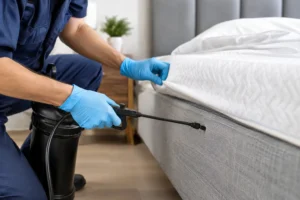
If active termites are found, treatment is usually the immediate priority. A quality termite treatment should be designed for the property, not treated as a one-size-fits-all spray. At Go Green Pest Control, termite work is performed with Termidor treatment methods, with the goal of eliminating the colony and protecting the structure using a targeted approach.
If there is visible damage, treatment and repairs are separate questions. Pest treatment stops or addresses the insect problem. A qualified contractor or structural professional may need to determine whether damaged wood requires repair. Do not assume that every damaged board needs replacement, but do not dismiss damage without an informed evaluation either.
Buyers and sellers can negotiate who pays for treatment, repairs, or both. In some cases, a seller completes the work before closing. In others, the buyer receives a credit or takes responsibility after closing. The best option depends on timing, financing, the extent of the findings, and the confidence both parties need to move forward.
Choosing the Right Company for Your WDO Report
A real estate inspection needs more than a quick walk around the house. Choose a licensed local pest professional who understands Wichita-area construction, can explain findings in plain language, and provides documentation suitable for the needs of the transaction.
Ask whether the company can schedule promptly, what areas are included, and how it handles inaccessible areas or evidence of prior treatment. If treatment is recommended, ask what method will be used, what preparation is required, and whether the plan considers children, pets, and occupants. A report should give you facts, not pressure you into a decision you do not understand.
Fast scheduling matters, but accuracy matters more. A rushed report can create problems for everyone involved. A careful inspection gives buyers a better basis for decisions and gives sellers a fair chance to address issues before they become a closing-day surprise.
A Clear Report Creates a Better Closing
A WDO inspection report cannot guarantee that a property will never have termites or other wood-destroying insects. It can give you a clear picture of visible conditions on the inspection date, identify concerns worth addressing, and help prevent a costly issue from being ignored.
Whether you are buying your first Wichita home, selling a long-time family property, or managing a rental or commercial building, treat the inspection as useful information, not just paperwork. A careful look now can protect the structure, the transaction, and the people who will rely on that property next.