A cockroach under the kitchen sink, a line of ants near the pet bowl, or bites that appear after a night’s sleep can turn an apartment from home into a source of stress fast. Apartment pest control Wichita residents need is different from treating a stand-alone house because pests do not respect unit numbers. They travel through shared walls, utility openings, hallways, laundry rooms, dumpsters, and neighboring apartments.
The right response is not to spray harder or wait for the problem to get worse. It is to identify the pest, locate the conditions allowing it to survive, treat the active issue carefully, and prevent it from spreading. That protects renters, families, pets, staff, and the property itself.
Why Apartment Pests Need a Building-Wide Plan
In an apartment community, one untreated source can keep restarting the problem. A resident may see roaches in a clean kitchen while the main activity is coming from a nearby unit, a trash area, a leaking pipe chase, or gaps around shared plumbing. Bed bugs can move on furniture, laundry, bags, and wall voids. Mice can follow utility lines from one unit to another.
That does not mean every apartment needs the same treatment. It means the inspection must look beyond the first sighting. A pest professional should consider where activity is concentrated, which connected units need inspection, and whether sanitation, moisture, clutter, entry points, or exterior conditions are contributing.
For property managers, this approach protects occupancy and reputation. For residents, it prevents the frustrating cycle of seeing pests disappear for a few days and return the next week. Effective apartment pest control in Wichita depends on coordinated action, not a one-unit guess.
Know What the Lease Covers and Report Problems Early
Responsibility can depend on the lease, the pest involved, and the source of the infestation. In general, management is responsible for maintaining a habitable property and addressing building conditions that allow pest activity, such as damaged screens, gaps, leaks, or neglected common areas. Residents are usually expected to keep their unit reasonably clean, dispose of trash properly, and report signs of pests promptly.
The best first step is documentation. Take clear photos or videos, note when and where you saw the pest, and submit the concern through the property’s required maintenance channel. Do not rely only on a verbal conversation. Written reporting gives management the information needed to schedule an inspection and helps establish a record if the issue continues.
Avoid moving infested furniture into hallways, dumpsters, or another unit without management direction. That can spread bed bugs, roaches, or fleas through the property. If you are a renter, ask whether treatment preparation is required and whether pets, children, or aquariums need special accommodations during service.
What Professional Apartment Pest Control Should Include
A quality program starts with inspection, not a one-size-fits-all application. The technician should ask what has been seen, inspect likely harborage areas, and look for the conditions that make the location attractive to pests. Depending on the problem, that may include kitchens, bathrooms, closets, baseboards, utility penetrations, exterior doors, storage rooms, trash areas, and neighboring units.
Targeted Treatment With Safety in Mind
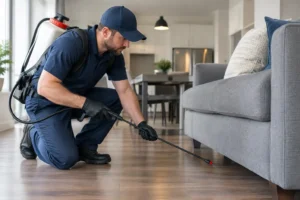
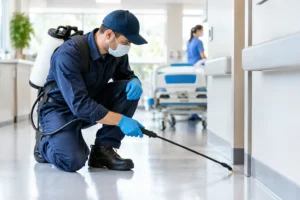
Apartment residents should not have to choose between pest control and peace of mind. The goal is to use the safest effective method for the specific pest and setting. That can include targeted products, baits, insect growth regulators, traps, crack-and-crevice work, exclusion, and practical sanitation recommendations.
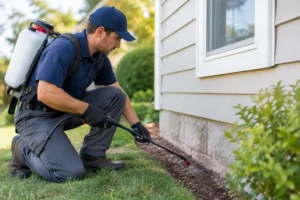
Treatment needs vary. A few ants entering near a window may call for exterior work and sealing an entry point. German cockroaches often require detailed interior treatment, follow-up visits, and cooperation from affected units. Bed bugs require a precise inspection and a complete treatment plan, not a quick spray around the bed.
Families with children, pet owners, and residents with health concerns should tell the technician before service begins. A professional can explain what is being used, where it will be applied, and any preparation or reentry instructions. Clear communication is part of safer pest control.
Prevention That Stops Repeat Activity
Pest control works best when treatment and prevention happen together. Sealing gaps around pipes, repairing moisture issues, installing door sweeps, improving dumpster practices, and reducing clutter can make a major difference. These changes are especially valuable in multi-family properties, where pests have more routes to travel.
Recurring service can be a smart choice for communities with ongoing pressure from spiders, ants, roaches, rodents, or seasonal invaders. It gives the property a regular set of trained eyes and allows small issues to be addressed before they become complaints from multiple residents.
How Residents Can Prepare Without Making the Problem Worse
Preparation instructions should always come from the pest professional handling the job, particularly for bed bugs and roaches. Still, a few habits are useful in most apartments. Keep food in sealed containers, empty trash regularly, clean grease and crumbs from kitchen surfaces, and avoid leaving pet food out overnight when possible.
Report leaks under sinks, around toilets, or near appliances quickly. Cockroaches, drain flies, and rodents all benefit from available moisture. In shared laundry rooms and storage spaces, keep belongings off the floor when practical and avoid storing cardboard for long periods, since it can offer shelter to roaches and other pests.
Do not use multiple store-bought foggers or random sprays before an inspection. They can push pests deeper into walls, contaminate bait placements, and make it harder to identify where the infestation is active. With bed bugs, unnecessary movement of bedding and furniture can spread the problem to other rooms or units.
Common Wichita Apartment Pest Problems
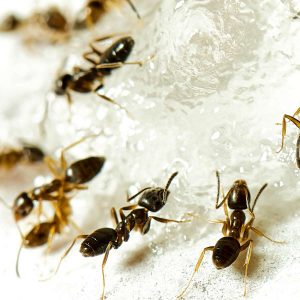
Wichita apartments see different pest pressure throughout the year. Ants and spiders often become more noticeable as weather changes. Roaches can persist year-round where food, water, and hiding places are available. Mice may seek indoor shelter as temperatures fall, while fleas can become a problem when pets or wildlife introduce them into living spaces.
Bed bugs deserve immediate attention because they spread easily and are difficult to eliminate without a structured plan. Signs include small dark spots on mattress seams, shed skins, live bugs near sleeping areas, or bites that appear after sleeping. Bites alone are not proof of bed bugs, so inspection matters.
Termites are less likely to be discovered inside an upper-floor apartment, but they remain a serious property-level concern for owners and managers. Mud tubes, damaged wood, or swarming insects near the building should be reported right away. Early professional inspection can prevent expensive structural damage.
A Better System for Property Managers
For apartment managers, pest control is a resident-service issue, a maintenance issue, and a risk-management issue. The most effective programs create a simple reporting process, document inspections and treatments, identify recurring hot spots, and communicate clearly with residents about preparation and follow-up.
Common areas deserve the same attention as occupied units. Dumpster enclosures, laundry rooms, maintenance shops, vacant units, exterior lighting, landscaping, and utility rooms can all support pest activity. If those areas are overlooked, treatments inside individual apartments may not hold.
Managers should also expect their pest provider to distinguish between an occasional sighting and a developing infestation. Not every report requires treating an entire building, but repeated activity in connected units is a signal to expand the inspection. The right provider will recommend a practical scope of work rather than selling unnecessary service.
When to Call a Professional
Call promptly when you see roaches during the day, repeated mouse droppings, signs of bed bugs, multiple stinging insects near entrances, or pest activity in more than one unit. Those situations can escalate quickly in shared housing. It is also wise to call when a resident has tried basic sanitation and exclusion steps but the issue continues.
Go Green Pest Control provides Wichita-area apartment communities and residents with inspections, targeted treatment, exclusion recommendations, and ongoing prevention options designed with families and pets in mind. Free estimates and inspections make it easier to get a clear answer before a small issue becomes a building-wide problem.
A pest-free apartment is not created by covering up the evidence. It comes from fast reporting, careful inspection, safer targeted treatment, and follow-through from everyone involved. When those pieces work together, residents can get back to feeling at home.