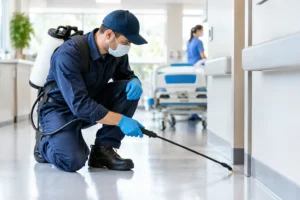
A single cockroach seen near a medication room, a trail of ants in a break area, or a bed bug report from a waiting room can create far more than an unpleasant moment. Healthcare facility pest control protects patients, staff, visitors, and the trust your organization has worked hard to earn. It also helps protect sanitation standards, daily operations, and vulnerable people who may be more sensitive to pest activity and unnecessary chemical exposure.
For clinics, dental offices, senior care communities, outpatient centers, and medical campuses, pest control cannot be a generic spray-and-go service. The right program starts with a clear inspection, addresses the conditions pests need to survive, and uses targeted treatment only where it is needed.
Why Healthcare Facilities Need a Different Pest Control Plan
Healthcare environments are busy, interconnected spaces. Food may be served in one wing, laundry handled in another, patients treated nearby, and deliveries brought through receiving areas all day. That activity creates opportunities for pests to enter, hide, and move.
The stakes are also higher. Rodents can contaminate stored supplies and damage wiring. Cockroaches can spread allergens and bacteria mechanically as they travel through drains, trash, and food areas. Flies can quickly become a sanitation concern around waste, drains, or food service. Bed bugs may arrive on personal belongings, visitor items, or upholstered furniture, creating anxiety even when they are not known to transmit disease.
A visible pest is not always the full problem. One roach in a staff lounge may point to moisture behind equipment, a gap around plumbing, or a sanitation issue in a nearby space. A few flies may indicate a neglected floor drain rather than an outdoor source. Good service identifies the cause before choosing the response.
Start With Inspection, Not Assumptions
An effective healthcare facility pest control program begins with a detailed inspection of both active areas and pest pressure points. That means looking beyond exam rooms and lobbies to inspect kitchens, break rooms, janitorial closets, laundry spaces, loading docks, mechanical rooms, trash areas, utility penetrations, and exterior entry points.
The inspection should document what is found, where it was found, and what conditions are contributing to the issue. For example, a technician may find gaps under exterior doors, standing water near a dumpster, cardboard storage that gives roaches a hiding place, or unsealed openings around pipes. These details turn a treatment visit into a prevention plan.
For larger properties, pest activity should be tracked over time. Monitoring devices, service reports, and recurring inspections help facility managers see patterns before a small issue becomes a disruptive event. A seasonal rise in ants or occasional rodent activity near a loading dock may call for a different response than an isolated indoor insect report.
Exclusion Is Often the Best First Treatment
Pests need a way in. Rodents can enter through surprisingly small openings, while insects follow cracks, door gaps, utility lines, and damaged screens. Closing those access points reduces the need for repeated chemical applications and gives your facility a more durable result.
Common exclusion work includes sealing gaps around pipes and conduit, repairing door sweeps, screening vents where appropriate, closing cracks around foundations, and improving access around dumpsters or receiving doors. Exterior conditions matter, too. Overgrown vegetation touching the building, standing water, overflowing waste containers, and clutter near walls can give pests shelter and a direct route indoors.
Exclusion is not always a one-visit fix. Older buildings, multi-tenant properties, and facilities with frequent deliveries may need phased repairs. Still, every corrected gap removes an opportunity for rodents, ants, cockroaches, spiders, and other pests to gain ground.
Use Targeted Treatments With Occupant Safety in Mind
Healthcare settings require careful product selection, placement, scheduling, and communication. The goal is decisive pest elimination with the least practical disruption to patient care and daily work.
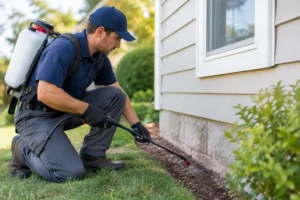
That often means using targeted baits, crack-and-crevice applications, monitored traps, insect growth regulators, or exterior-focused treatments rather than broad applications across occupied spaces. The best method depends on the pest, the level of activity, the building layout, and the people using the area. A treatment plan for ants in an administrative office should not look like a response to cockroach activity around a commercial kitchen.
There is a trade-off worth understanding: the fastest-looking response is not always the most effective long-term response. Heavy indoor spraying may appear aggressive, but it can miss hidden harborage areas, cause unnecessary disruption, and fail to correct the conditions bringing pests inside. Targeted, professionally applied treatment paired with sanitation and exclusion is usually the more reliable path.
Before service, the provider should explain what will be treated, which precautions apply, and whether any area needs to be temporarily cleared. Clear communication gives staff confidence and helps the facility maintain normal operations whenever possible.
Focus on the Pests Healthcare Teams See Most
Different pests require different strategies. Treating every issue the same wastes time and can make a recurring problem harder to solve.
Cockroaches often need a combination of monitoring, sanitation improvements, baiting, and treatment in cracks near moisture and warmth. Kitchens, break rooms, utility areas, and equipment spaces deserve close attention. Rodent control relies heavily on exclusion, exterior management, strategically placed traps, and removing food or nesting opportunities.
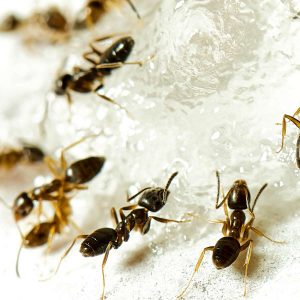
Flies may be tied to drains, food waste, trash handling, or exterior door use. Proper identification matters because fruit flies, drain flies, and house flies do not share the same breeding sources. Ant control often begins outdoors, where colonies and entry routes can be addressed before workers or patients see activity inside.
Bed bugs require a particularly careful response. Healthcare and senior care facilities need a discreet plan that includes inspection, confirmation, treatment recommendations, staff guidance, and follow-up. Throwing away furniture or treating an entire building without evidence can create unnecessary expense. A professional inspection helps determine the actual scope.
Build Pest Prevention Into Daily Facility Operations
Your pest professional can eliminate and prevent activity, but facility habits remain a major part of long-term control. Staff do not need to become pest experts. They do need a simple process for reporting sightings quickly and addressing conditions that attract pests.
Food should be stored in sealed containers, spills cleaned promptly, and break-room trash emptied on a dependable schedule. Cardboard should not accumulate in closets, near water heaters, or along walls. Housekeeping teams should report moisture leaks, drain odors, damaged door sweeps, and signs of rodent activity as soon as they notice them.
A designated facility contact is especially helpful. That person can review service reports, coordinate access, pass along staff observations, and make sure maintenance items do not get lost. In a multi-site organization, consistent reporting procedures help leaders compare pest activity across locations and direct resources where they are needed most.
What to Expect From a Reliable Service Partner
A healthcare pest control provider should be responsive, discreet, and prepared to customize service around your facility. Look for detailed inspection findings, practical recommendations, clear documentation, and a plan that considers patients, employees, visitors, and operational schedules.
Routine service frequency depends on pest pressure, the age and condition of the building, food service, nearby construction, and the surrounding environment. Some facilities benefit from monthly monitoring and service, while others may need a different schedule with additional visits during periods of activity. The right plan should be based on evidence, not a one-size-fits-all package.
For Wichita-area facilities, Go Green Pest Control provides customized commercial pest programs built around safer, targeted methods and ongoing prevention. A free inspection can identify the issues you can see, along with the entry points and conditions you may not.
A clean, calm care environment is part of the patient experience. When staff know what to report and a professional team handles pest pressure early, your facility can stay focused on the work that matters most: caring for people.