A spider in the bathtub is unpleasant. Webs gathering around a basement window, garage corner, or child’s playroom are a different kind of message: the conditions around your home are allowing spiders and their food source to settle in. Effective spider control Wichita homeowners can count on starts with more than knocking down a web. It takes a close look at where spiders are entering, where they are hiding, and what is attracting insects to the property in the first place.
Most spiders found around Wichita homes are nuisance pests, not a sign that a house is unclean. Still, recurring activity deserves attention. Spiders reproduce, follow insect activity, and take advantage of cracks that can also admit ants, crickets, and other pests. A practical plan can reduce sightings without treating your home like a chemical storage room.
Why Spiders Show Up Around Wichita Homes
Spiders need shelter, food, and a route inside. Wichita’s changing seasons provide all three. Hot, dry weather can send pests toward cooler indoor spaces and areas with moisture. As temperatures cool, garages, basements, utility rooms, crawl spaces, and wall voids become appealing places to hide.
The bigger issue is usually the insects spiders eat. Exterior lights that attract flying insects, moisture around a foundation, stored boxes in the garage, and gaps at doors or windows can create a reliable food supply. If crickets, flies, beetles, or small crawling insects are active, spiders have a reason to stay nearby.
A few outdoor webs are normal and may even help reduce insects in a landscape. The concern changes when webs are repeatedly appearing near entry doors, in living areas, around stored belongings, or in a business where customers and staff expect a clean, professional environment. The right response depends on the location and level of activity, not just the sight of one spider.
Which Spiders Need Prompt Attention?
Most Kansas spiders are more bothersome than dangerous, but homeowners should never rely on a quick guess when a potentially venomous spider may be involved. Brown recluse spiders and black widows are the two species that receive the most concern in this region.
Brown recluses are often associated with quiet, undisturbed spaces such as closets, attics, sheds, basements, cardboard boxes, shoes, and stored clothing. They do not build the large, obvious webs many people expect. Black widows tend to favor protected areas outdoors or near structures, including cluttered garages, sheds, window wells, and areas around equipment. Their irregular webs may be close to the ground.
Do not handle an unfamiliar spider, especially with bare hands. Use caution when moving stored items, putting on shoes that have been left in a garage, or reaching into dark utility areas. If a bite is suspected and symptoms are severe or concerning, seek medical guidance promptly. Pest control can address the spider activity, but medical questions should always go to a healthcare professional.
What Effective Spider Control in Wichita Looks Like
A good spider program is an integrated plan, not a one-size-fits-all spray. Treatment may be part of the answer, but inspection and prevention are what help keep the issue from returning.
Start with an inspection, not assumptions
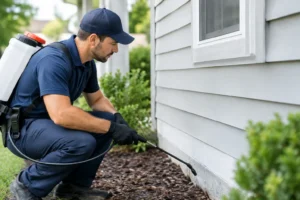
A technician should look beyond the visible web. That means checking likely entry points around doors, windows, foundation penetrations, utility lines, vents, garage seals, and exterior trim. Indoors, attention should go to basements, closets, laundry areas, crawl spaces, storage rooms, and other low-traffic locations.
The inspection also identifies the habits that may be supporting activity. A stack of boxes against the wall, heavy vegetation touching the siding, exterior lighting left on every night, or a leaky hose connection can matter more than homeowners realize. The goal is to find the pressure points around the property and correct them.
Remove webs and reduce hiding places
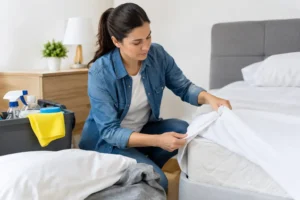
Web removal provides immediate improvement and helps reveal whether new activity is occurring. But it should be paired with cleanup. Keep storage a few inches away from walls when possible, use sealed plastic bins instead of loose cardboard for long-term storage, and avoid letting clutter build up in garages, sheds, and basement corners.
Outside, trim plants back from the structure and clear debris from along the foundation. Firewood should be stored away from the home and raised off the ground when practical. These small changes make it harder for spiders and their prey to establish protected harborage near the building.
Control the insects that feed spiders
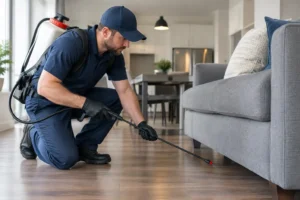
Spider treatment is most effective when the broader pest picture is addressed. Reducing the ants, crickets, flies, and occasional invaders around a home takes away a major reason spiders stay. This is why a technician may recommend exterior service, targeted crack-and-crevice applications, or seasonal maintenance rather than treating only the room where a web was found.
For families with children and pets, the method matters. Targeted, eco-conscious treatment focuses product where pests travel and hide instead of applying unnecessary material across living areas. A qualified provider can explain what is being used, where it is being applied, and any straightforward precautions needed before service begins.
Prevention Steps That Make a Real Difference
Homeowners can support professional service with a few practical habits. Keep door sweeps and weatherstripping in good condition, and repair torn window screens. Seal visible gaps around pipes, cables, vents, and foundation openings with appropriate materials. If a garage door has daylight visible around the bottom or sides, its seal may be giving pests an easy route inside.
Moisture control also helps. Correct leaks, keep gutters flowing away from the foundation, and avoid overwatering next to the house. Indoors, vacuum regularly along baseboards, under furniture, and in corners where webs collect. Vacuuming is especially useful in storage spaces, but use caution around suspected brown recluse activity and avoid reaching into hidden areas without gloves.
Exterior lighting is another common trade-off. Safety lighting is necessary around entrances and walkways, but bright lights left on near doors can attract insects. Consider placing lights farther from doors when possible, using fixtures that direct light downward, or choosing settings that limit all-night operation where security needs allow.
When One-Time Service Is Enough and When It Is Not
A one-time service may make sense after a sudden increase in activity, before moving into a home, or when a specific area such as a shed or garage needs attention. It can reduce an immediate problem and give the property a cleaner starting point.
However, homes with regular spider sightings, heavy insect pressure, mature landscaping close to the structure, or recurring seasonal issues often benefit more from quarterly pest control. Ongoing service allows technicians to adjust treatment with the seasons, monitor changing conditions, and address activity before it turns into a bigger indoor problem.
For rental properties, apartment communities, restaurants, healthcare facilities, warehouses, and offices, consistency matters even more. Spider webs in public-facing spaces can affect customer confidence, while pest activity in sensitive environments requires careful service planning. Commercial programs should be tailored to the building’s use, sanitation requirements, traffic patterns, and occupant safety needs.
Choose a Local Provider That Explains the Plan
The best pest control company does not simply promise to eliminate spiders and leave. It explains why activity is happening, what treatment is appropriate, and what the customer can do between visits. Ask whether inspections and estimates are free, whether ongoing service requires a long-term contract, and how the company handles unexpected activity between scheduled treatments.
Go Green Pest Control serves Wichita-area homes and businesses with family-conscious, pet-friendly pest management designed around the actual conditions at each property. For quarterly customers, free emergency re-treatments provide added confidence when pest activity does not wait for the next scheduled visit.
Spiders are easier to manage when the first web is treated as useful information, not just an annoyance. Address the hiding places, entry points, and insect activity around your property, and your home can feel like your space again – not a shelter for eight-legged visitors.