A flea problem can start with a few bites around the ankles and turn into a house-wide nuisance faster than most people expect. Effective flea treatment for homes is not about spraying one room and hoping for the best. It is about breaking the flea life cycle while protecting the people and pets who live there.
For Wichita-area households, the most frustrating part is often that adult fleas may disappear briefly, then new ones seem to show up days later. That does not always mean a treatment failed. It usually means flea eggs, larvae, or pupae were already hiding in carpet fibers, furniture seams, pet bedding, and cracks near baseboards. A successful plan accounts for every stage.
Why Fleas Keep Coming Back
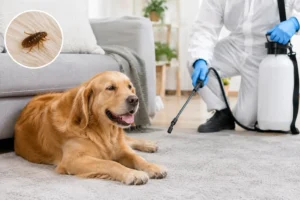
Adult fleas are only the visible part of the problem. They feed on a host, lay eggs, and those eggs fall into the places pets and people spend time. Larvae develop in protected areas with dust, pet hair, and organic debris. Pupae form cocoons that can remain protected until movement, warmth, or carbon dioxide signals that a host is nearby.
That cocoon stage creates the biggest challenge. Many products can control active adult fleas, but pupae are naturally difficult to reach. As new adults emerge, they need to be controlled before they can feed and reproduce. This is why a flea issue often requires careful preparation and, depending on the severity, follow-up service.
A pet can bring fleas indoors, but pets are not always the original source. Wildlife under a deck, stray cats near a crawl space, a previous tenant, or fleas in shaded areas of the yard can all contribute. Treating only the dog or cat while ignoring the home leaves the cycle intact. Treating only the home while the pet remains unprotected does the same.
Flea Treatment for Homes Starts With the Pet
Every dog and cat in the household needs an appropriate flea-control plan at the same time. Talk with your veterinarian about the safest and most effective option for each pet, especially for puppies, kittens, senior animals, pregnant pets, or animals with medical conditions. Products designed for dogs should never be used on cats unless a veterinarian specifically directs it. Some dog flea products can be dangerous to cats.
Bathing a pet may remove some adult fleas, but it is not a complete solution. The goal is lasting protection that kills fleas before they can continue laying eggs. If one pet is treated and another is not, fleas can continue moving through the household.
It also helps to inspect pets regularly with a flea comb, particularly around the neck, belly, tail base, and hind legs. Tiny dark specks known as flea dirt can be a clue even when you do not see live fleas. Place the combed debris on a damp white paper towel. If it leaves a reddish-brown smear, it may be digested blood from flea dirt.
Prepare the Home Before Treatment
Thorough preparation gives professional treatment a much better chance of reaching the places fleas develop. It also makes a noticeable difference for homeowners who are tackling early activity on their own.
Vacuum carpets, rugs, upholstered furniture, along baseboards, and beneath beds, sofas, and chairs. Pay extra attention to the areas where pets sleep, rest, or wait by doors. Vacuuming removes flea debris and can stimulate developing fleas to emerge from cocoons, where they are more vulnerable to control measures. Empty the vacuum container outdoors right away or seal and discard the bag.
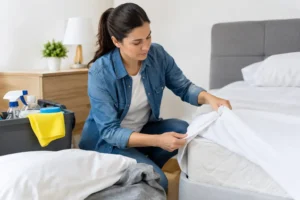
Wash pet bedding, blankets, throws, and washable cushion covers in hot water when the fabric allows. Dry them thoroughly using the warmest safe setting. Clean bedding should not be returned to an untreated area if a professional service is scheduled.
Reduce clutter around floors, closets, and under furniture. Fleas favor protected, undisturbed spaces, and a clear floor lets treatment reach the actual problem. You do not need to empty your entire home, but clothes, toys, boxes, and pet items should be picked up from treatment areas.
What a Professional Flea Service Should Address
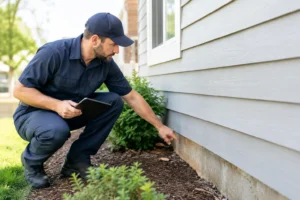
A professional flea treatment should begin with inspection and questions, not a one-size-fits-all spray. A technician needs to know where bites are occurring, which pets live in the home, whether wildlife is active outside, and which rooms receive the most pet traffic.
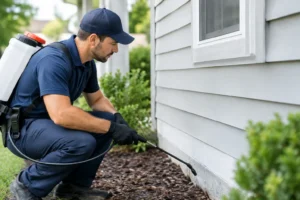
Treatment is typically focused on carpeted rooms, rugs, upholstery, pet resting areas, floor edges, and cracks where flea stages collect. The right approach balances effective targeted materials with sensible application practices for homes with children and pets. Occupants may need to leave treated areas for a specified period and follow re-entry instructions. Those details matter, so always follow the technician’s directions rather than relying on a general rule from the internet.
For significant infestations, a return visit may be needed because of the pupal stage. That is a normal part of managing flea biology, not an excuse for incomplete work. An experienced provider will explain what activity you may still see, when you should expect improvement, and what to do between visits.
At Go Green Pest Control, the goal is decisive flea control using family-conscious methods and a plan built around the property, not a generic treatment package. Homeowners in Wichita, Manhattan, Junction City, and surrounding Kansas communities can request a free estimate and inspection to identify where the problem is coming from.
Do Not Forget Outdoor Flea Sources
Outdoor treatment is not necessary for every flea issue, but it becomes more important when pets spend time outside or wildlife is active nearby. Fleas generally do not thrive in hot, open, dry lawn areas. They are more likely to develop in shaded, humid places with animal activity, such as under decks, beneath shrubs, near porches, along fences, and around pet shelters.
Keep grass trimmed, remove leaf buildup, and limit wildlife access to crawl spaces and other sheltered areas. If feral cats, opossums, raccoons, or other animals are nesting near the home, the source needs to be addressed as part of the larger plan. Otherwise, pets can pick up new fleas as soon as they go outdoors.
Exclusion may be the long-term answer when wildlife is involved. Closing an entry point without confirming animals are out can create another problem, so this work should be handled thoughtfully.
Avoid the Common Flea-Control Mistakes
Foggers and flea bombs are appealing because they seem easy, but they often do not reach the protected areas where flea larvae and pupae are developing. They can also leave residue on broad surfaces without addressing the real source. Targeted treatment and cleaning are usually a better use of time and money.
Do not mix multiple flea products without checking labels or consulting a veterinarian or pest professional. More product does not automatically mean better control, and incorrect use can create unnecessary exposure for children, pets, and adults.
Do not stop vacuuming as soon as bites decrease. Continued vacuuming during the weeks after treatment helps remove debris and encourages emerging fleas to contact treatment. Likewise, do not assume every itchy spot is a flea bite. Bed bugs, mosquitoes, skin irritation, and other causes can look similar. Correct identification prevents wasted effort.
What to Expect After Treatment
Most households see a significant drop in adult flea activity after a properly coordinated treatment, pet care, and cleaning plan. Still, it is possible to see newly emerged fleas for a period afterward. The key question is whether the activity is steadily declining rather than growing.
Continue veterinarian-recommended pet protection, vacuum routinely, and follow all preparation and post-treatment instructions. Call your pest professional if flea activity is not improving within the timeframe discussed, if bites are occurring in new areas, or if you suspect an outdoor or wildlife source was missed.
Fleas are persistent, but they are not unbeatable. A coordinated response gives your household the best chance to get back to comfortable floors, peaceful pet beds, and a home where every member of the family can relax.