A few spiders in the basement, ants at the kitchen sink, or scratching behind a wall can feel like a small problem – until it is not. A free pest inspection Wichita homeowners can schedule with a local professional gives you a clear answer before you spend money on the wrong treatment or allow a hidden issue to grow.
At Go Green Pest Control, the goal is not to spray first and ask questions later. A proper inspection identifies the pest, the conditions attracting it, where it is getting in, and what it will take to stop it in the safest practical manner for your home, family, pets, employees, or customers.
What Happens During a Free Pest Inspection in Wichita
A useful inspection starts with listening. You know your property better than anyone else, so a technician should ask what you have seen, when activity started, where it is most noticeable, and whether the problem changes with weather, cleaning, construction, or a recent move.
From there, the inspection focuses on evidence. That may include live insects, droppings, shed skins, nesting material, rub marks, damaged wood, mud tubes, chewed insulation, grease trails, or moisture conditions that give pests what they need to survive. Not every pest is visible during the day. The clues it leaves behind often tell the fuller story.
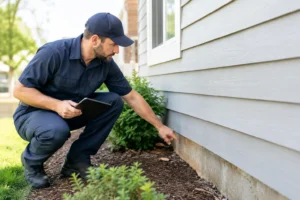
A technician will typically inspect likely trouble areas inside and outside the structure. Kitchens, bathrooms, utility rooms, basements, crawl spaces, attics, garages, door thresholds, window frames, plumbing penetrations, and foundation lines all deserve attention. Outdoors, landscaping, mulch, standing water, gaps around utilities, tree limbs, and stored materials can reveal why pests are repeatedly finding their way inside.
The final part is a plainspoken recommendation. You should understand what was found, how serious the activity appears to be, what treatment or exclusion work is recommended, and whether ongoing prevention makes sense. A free inspection should reduce uncertainty, not create pressure.
Why Pest Identification Matters Before Treatment
Many pests look alike from across a room, but the right solution depends on the exact pest and its behavior. A quick spray can knock down visible bugs while leaving the nest, breeding site, food source, or entry point untouched.
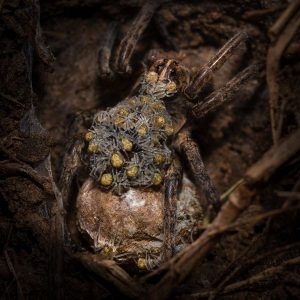
For example, ants may be trailing indoors because of moisture near a plumbing line, food residue, or a colony outside the foundation. Treating only the ants at the counter can provide temporary relief, but it may not address the source. Cockroach activity can point to cracks, water access, cluttered storage, or a neighboring unit in a multifamily property. Spiders are often a sign that other insects are providing a dependable food supply.
Termites require even more care. Swarmers, discarded wings, mud tubes, and damaged wood can signal a problem that needs prompt professional evaluation. A termite inspection is not the time for guesswork or a store-bought treatment. The extent of activity, construction type, and accessible areas all affect the treatment plan.
Bed bugs also demand a careful inspection. Bites alone are not enough to confirm them, since many skin reactions have other causes. An experienced inspection looks for live bugs, eggs, dark spotting, shed skins, and likely hiding places around beds, furniture, baseboards, and nearby rooms. Correct identification protects you from treating the wrong issue and helps prevent bed bugs from spreading further through the property.
When You Should Call for an Inspection
You do not need to wait for a full infestation. Calling when the first signs appear is often the less expensive, less disruptive choice. It is especially wise to schedule an inspection if you notice recurring activity after do-it-yourself products, pest evidence in more than one room, unexplained bites, damaged wood, or pests around food, pet areas, or sleeping spaces.
Kansas weather can also bring seasonal changes in pest pressure. Ants, spiders, and stinging insects become more noticeable as temperatures rise. Rodents often look for warmer shelter as cooler weather moves in. Heavy rain can push pests from saturated soil toward foundations and interior voids. The timing varies, but the pattern is familiar: pests look for food, water, shelter, and a way in.
Property managers and business owners should act quickly when activity could affect tenants, customers, patients, inventory, or inspections. A single sighting in a restaurant, healthcare setting, apartment community, warehouse, or office may not tell the whole story. It does tell you that a professional assessment is worth having.
A Free Pest Inspection Is Also About Prevention
The best pest service does more than remove what is visible today. It identifies the conditions that could bring the problem back next month.
Exclusion is a major part of that work. Small gaps around pipes, worn door sweeps, damaged screens, foundation cracks, and openings around utility lines can become highways for insects and rodents. Some repairs are simple homeowner tasks. Others need professional exclusion work, especially when the opening is difficult to reach or part of a larger structural concern.
Moisture control matters, too. Leaking faucets, slow drains, wet crawl spaces, clogged gutters, and poor grading can attract a range of pests. A pest technician is not a plumber or contractor, but a good inspection can flag the conditions that should be corrected.
Sanitation is another practical factor, not a judgment. Pet food left overnight, overflowing trash, cardboard storage, grease buildup, and crumbs in hard-to-reach areas can support pest activity. In commercial spaces, sanitation recommendations should fit the operation instead of relying on generic advice that staff cannot realistically maintain.
Choosing a Pest Company After the Inspection
A free inspection has real value only if the company gives you useful information and a sensible path forward. Ask what pest was identified, where the activity is concentrated, what products or methods are proposed, and what steps you can take between visits. If children, pets, patients, or sensitive work areas are involved, ask how treatment will be tailored to reduce unnecessary exposure.
It also helps to ask whether a contract is required, what is included in follow-up service, and how emergency re-treatments are handled. Some situations call for one-time treatment. Others, especially homes with recurring exterior pressure or commercial facilities with constant activity, benefit from a customized ongoing program. The right choice depends on the pest, the property, and your tolerance for repeat problems.
Be cautious of a quote that appears before anyone has inspected the property or a recommendation that sounds identical for every pest. Effective control is targeted. It should account for the pest species, the severity of activity, the structure, and the people using the space.
Get Answers Before the Problem Gets Bigger
A free pest inspection in Wichita is a practical first step when something does not look right, smell right, or feel right around your property. Whether you are protecting a family home, preparing a rental, managing an apartment community, or keeping a business ready for customers, early answers give you more options.
Pests do not usually solve themselves, but the response does not have to be complicated. Start with a professional look at the evidence, choose treatment that fits the real problem, and address the conditions that invited pests in. That is how you move from worrying about what might be hiding to having a clear plan to keep it out.