A dog that sniffs every inch of the yard or a cat that claims the basement as its territory changes the termite-treatment conversation. Pet owners are right to ask, “do termite treatments harm pets?” The honest answer is that any pesticide can create a risk if a pet is directly exposed, but a professionally planned termite treatment is designed to control that exposure while protecting the home.
The treatment method, the condition of the property, your pet’s habits, and whether directions are followed all matter. A safety-first termite company should explain exactly where treatment is going, what your pets need to avoid, and when normal use of the area can resume. You should never have to guess.
Do Termite Treatments Harm Pets When Applied Correctly?
Termite products are made to affect insects, but they are still pesticides. They must be handled carefully around dogs, cats, birds, reptiles, fish, and other animals. The greatest concern is not usually a pet resting indoors after a treatment is complete. It is direct contact with a liquid application before it has dried, licking treated surfaces, digging in freshly treated soil, or getting into an unsecured product container.
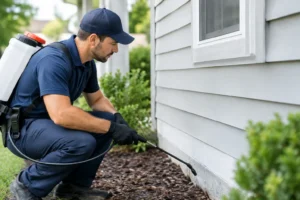
For most termite work, a trained technician applies material in targeted locations instead of broadly spraying living spaces. A liquid soil treatment, for example, is generally placed in a trench or injection point around the foundation. Once the treated soil is covered and the application is complete according to the product label, pets should not be able to reach it.
That distinction matters. “Pet-friendly” should not mean a company treats every product as harmless. It means the provider selects an appropriate method, uses the least disruptive effective approach for the infestation, follows label directions, and gives homeowners clear preparation and re-entry instructions.
The Type of Termite Treatment Changes the Risk
There is no one-size-fits-all termite service. A proper inspection determines whether termites are active, where they are entering, and which treatment will give the property dependable protection.
Liquid treatments around the foundation
Liquid treatments are often used to create a protective zone in the soil near a structure. Technicians may trench and treat along exterior foundation walls or make carefully placed injections where needed. During application, pets should stay inside or away from the work area. Afterward, the technician should tell you when treated areas are ready for normal activity and whether any spots need temporary protection.
Dogs that dig are the biggest concern with outdoor soil treatments. Let your provider know if your dog is a determined excavator, especially around the foundation, deck, or fence line. That information can affect how the area is protected after service.
Termite bait systems
Bait stations are installed in the ground around the property and are intended for termites to feed on over time. The active material is enclosed inside a locked station, not spread across the lawn. Still, a curious pet may try to chew or dig up a station, so stations need to be properly installed, secured, and checked during follow-up visits.
Baits can be a good fit in certain situations, but they may work more gradually than a liquid treatment. The best choice depends on termite activity, construction details, the property’s risk factors, and the level of immediate control required.
Localized treatments inside a structure
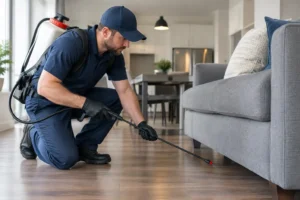
When termites are active in a specific wall, void, or wood member, localized treatment may be recommended. This can involve precisely applying a product into an inaccessible area rather than treating an open room. Your technician may ask you to remove pet beds, food bowls, toys, cages, and aquariums from the service zone before treatment.
Keep in mind that birds, reptiles, amphibians, and fish can be more sensitive than dogs and cats. Aquariums in particular need special attention because airborne droplets or contaminants entering the water can be dangerous. Tell the technician about every pet in the home, not just the ones that walk on four legs.
How to Prepare Your Pets Before Termite Service
The simplest rule is also the most effective: keep pets completely away from the treatment area while work is underway. Before your appointment, ask your termite professional whether service is planned indoors, outdoors, or both. Then make a plan that matches your pet’s behavior.
For an exterior treatment, keep dogs inside, in a closed room, or off the property while the technician works. Pick up food and water bowls, outdoor toys, and anything a pet may lick or chew near the foundation. If your dog uses a specific section of the yard for bathroom breaks, mention it before treatment begins.
For interior work, move pet bedding, crates, litter boxes, bird cages, and aquariums out of the identified service area. Store pet food and treats away from treatment locations. Cats have a talent for slipping into quiet corners, so make sure they are secured before the technician arrives.
It also helps to share practical details. Let the technician know about a dog that digs, a cat that enters crawlspaces, a free-roaming rabbit, or a backyard flock. Good pest control is not just about what is being treated. It is about who and what uses that space afterward.
What to Do After the Treatment
Follow the re-entry guidance provided for your specific treatment. Many outdoor applications require pets to stay away until treated surfaces are fully dry, while some work may involve additional instructions based on the product and location. Do not rely on a general rule from a neighbor or an online comment. The product label and your technician’s directions control.
Once access is restored, avoid disturbing treated soil or removing protective coverings around application areas. Watch pets as you normally would, especially during the first few days. If your dog starts digging next to the foundation, redirect the behavior and contact your provider if the soil has been significantly disturbed.
You should also avoid washing treated exterior areas or immediately flooding the foundation with water unless your termite professional says it is appropriate. Treatment performance and pet safety both improve when the work is left intact.
Signs of Possible Pet Exposure
Serious exposure is uncommon when treatment is performed and managed correctly, but pet owners should know what to watch for. Signs may include unusual drooling, vomiting, diarrhea, weakness, tremors, trouble walking, breathing changes, or behavior that seems suddenly abnormal.
If you believe your pet contacted a pesticide or chewed a bait station, remove the pet from the area and call your veterinarian or an animal poison resource right away. Have the treatment information available, including the product name, active ingredient, approximate time of exposure, and what your pet may have touched or swallowed. Do not induce vomiting or give home remedies unless a veterinary professional tells you to do so.
A reputable termite company should be able to provide product and treatment details promptly. Clear records are part of responsible service, not an extra favor.
Choosing a Pet-Conscious Termite Professional
The best protection for pets starts before any product is applied. Choose a company that performs a real inspection, discusses treatment options, and does not brush off questions about children, pets, gardens, or sensitive environments. The technician should explain where work will occur and what preparation is needed in plain language.
At Go Green Pest Control, termite service is approached with the same safety-first mindset used across residential and commercial pest programs: solve the termite problem decisively while avoiding unnecessary exposure for the people and animals who use the property. For Kansas homeowners, that means a treatment plan based on the structure and infestation, not a generic spray-and-go visit.
Termites can cause costly hidden damage, and waiting because you are worried about your pet is understandable but risky. Ask direct questions, follow the site-specific instructions, and choose a professional who treats your pet’s safety as part of the job. A well-managed treatment lets you protect your home without turning your dog’s yard or your cat’s favorite room into a question mark.