A termite colony can work behind a finished basement wall, under flooring, or inside a crawl space for months before a homeowner sees a single warning sign. By the time a mud tube appears on a foundation wall or a soft spot develops near a window, the insects may have already traveled through structural wood. A professional termite inspection Wichita Kansas homeowners schedule at the right time can find that activity before a small hidden problem becomes a costly repair.
Termites are not a cleanliness issue. They are wood-destroying insects looking for moisture, shelter, and a path to cellulose-based materials. Even well-kept homes, rental properties, offices, and apartment buildings can be vulnerable. The goal of an inspection is simple: identify active termite evidence, conditions that invite termites, and areas that need closer attention before damage spreads.
Why Wichita Properties Need Termite Attention
Eastern subterranean termites are the primary concern in this part of Kansas. They live in the soil and travel through protected routes to reach wood. Their preferred pathways are often out of sight: behind siding, through foundation cracks, around plumbing penetrations, beneath porches, and along expansion joints.
Wichita’s changing weather can create conditions termites use. Rain, irrigation, grading that directs water toward the foundation, and plumbing leaks can all raise moisture levels near a structure. A home does not need a wet basement to have a termite-friendly area. A slow leak under a sink, mulch piled too high against siding, or wood debris near the foundation can be enough to increase the risk.
Older homes deserve particular attention because repairs, additions, settled soil, and concealed wood-to-ground contact can create access points over time. Newer homes are not exempt. Construction gaps, landscaping changes, and shifting drainage can change the conditions around any building.
What a Termite Inspection in Wichita Kansas Includes
A proper termite inspection is more than a quick walk around the outside of a house. A trained inspector looks for visible evidence, evaluates the areas termites are most likely to use, and documents findings in plain language.
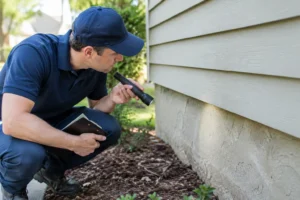
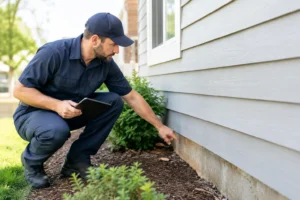
The exterior review usually includes the foundation, siding, porch and deck supports, attached garages, window and door frames, utility entry points, and nearby landscaping. The inspector looks for mud tubes, damaged wood, moisture concerns, wood contacting soil, and gaps that may allow concealed termite movement.
Inside, the inspection focuses on accessible lower-level areas and other vulnerable locations. Basements, crawl spaces, garages, utility rooms, exposed framing, plumbing areas, and interior walls near known moisture sources all matter. In commercial properties, the review may also include storage areas, loading zones, mechanical rooms, and locations where inventory or building materials can hide evidence.
No inspector can see through every finished wall, ceiling, or floor. That is an honest limitation of any visual inspection. If there are signs of concealed activity, a professional may recommend additional evaluation or a targeted plan rather than guessing. Clear access to crawl spaces, basements, utility rooms, and perimeter walls helps make the inspection more complete.
Evidence Inspectors Look For
Mud tubes are one of the most recognizable signs. Subterranean termites build these pencil-width tunnels from soil, saliva, and debris to stay protected while moving between the ground and a food source. A tube can indicate current or past activity, so it should be assessed rather than simply knocked down.
Inspectors also look for wood that sounds hollow, crumbles easily, or shows galleries running with the grain. Other clues include blistered paint, loose trim, sagging areas, damaged baseboards, and small piles of winged insects or discarded wings near windows. Winged termites are often confused with flying ants, which is one reason an expert identification matters.
Termite evidence can also be subtle. A previous treatment label, old repair work, excess moisture, or inaccessible areas may affect the recommendations. An inspection should address the whole picture, not only whether termites are visible that day.
When to Schedule an Inspection
A yearly inspection is a sensible preventive step for many Wichita-area property owners, especially if the home has a crawl space, a history of termites, moisture issues, or wood close to soil. Annual checks are also practical after major landscaping, drainage, plumbing, or renovation work.
There are times when waiting for an annual visit is not the right call. Schedule an inspection promptly if you notice mud tubes, swarming insects, unexplained wood damage, water issues near the foundation, or a change in a previously repaired area. Early action can limit the scope of treatment and reduce the chance of structural repairs.
Real estate transactions are another major reason to inspect. Buyers want a clear picture of potential wood-destroying insect activity before closing, while sellers and agents need timely documentation to keep the transaction moving. An NPAA wood-destroying organism report is not the same thing as a casual visual check. It is a specific report used in many real estate transactions and should be completed carefully by a qualified professional.
For landlords and property managers, inspections are best treated as part of property maintenance rather than a reaction to tenant complaints. A scheduled review of buildings with moisture-prone utility areas, aging foundations, or recurring exterior maintenance concerns can protect both the property and the people who live there.
What to Do Before the Inspector Arrives
You do not need to prepare your house perfectly, but access matters. Move stored items away from basement walls when possible, unlock gates, and make crawl-space or utility-room access available. Let the inspector know about prior termite treatments, water leaks, remodeling, or areas where you have seen insects.
Avoid spraying suspected termite activity with a store-bought insecticide before the appointment. Surface sprays may disturb visible insects without reaching the colony or solving the entry point. They can also make it harder to evaluate what is happening. Take a clear photo if you can, leave the area alone, and have it reviewed.
Inspection Results: No Activity, Conditions, or Treatment
The best result is no evidence of termites and no major contributing conditions. Even then, the inspector may point out practical prevention items such as improving drainage, keeping mulch below siding, removing wood debris, correcting leaks, or maintaining a visible foundation edge. Those recommendations are not scare tactics. They reduce the sheltered, moist conditions termites prefer.
If the inspection finds conducive conditions but no active infestation, the right next step depends on the property. Some owners address the condition and continue with routine monitoring. Others prefer a preventive treatment plan because of prior history, construction style, or risk tolerance. There is no one-size-fits-all answer.
If active termites are confirmed, treatment should be based on the building, the infestation evidence, and the accessible treatment zones. Effective termite work is precise. It may involve treating the soil around the structure and targeted areas where termites are entering or feeding. The objective is to eliminate the colony’s access to the structure, not simply kill the termites that happen to be visible.
For families, pet owners, and occupied businesses, treatment decisions should also consider where people spend time, how the property is used, and how to minimize unnecessary exposure. Go Green Pest Control takes that safety-first approach while providing termite inspections and tailored treatment recommendations for Wichita-area properties.
Protect the Building Without Guesswork
Termites are quiet, but the response should be decisive. A professional inspection gives you facts about the property, identifies risk factors you can correct, and provides a clear next step when treatment is needed. If something around your foundation, basement, crawl space, or woodwork does not look right, arrange an inspection while the concern is still small enough to manage on your terms.